Aroma optimization in fruits and vegetables – What Are the backgrounds, what challenges exist, and how can aromaLAB help you?
Fruits and vegetables are indispensable components of a wholesome and varied diet, not only from a health perspective. With their rich, full-bodied aromas, they bring freshness, variety, and enjoyment to our table. Fruits and vegetables can contain hundreds of aroma-active volatile compounds, although not all contribute equally to the overall impression. When consumed, volatile aroma compounds travel through the back of the throat to the smell receptors in the nose, where they are perceived as part of the taste experience. In fact, much of what is colloquially referred to as “taste” is actually aroma!
The aroma spectrum of these plant-based foods can vary greatly depending on variety, origin, or ripeness, positively or negatively affecting quality, conformity, and ultimately customer acceptance. Even the aroma composition of a specific fruit or vegetable variety can change significantly depending on external conditions (sunlight, temperature, rainfall, or soil composition). Additionally, new varieties are often bred for traits like fruit size, shelf life, or pest resistance, which can sometimes come at the expense of sensory properties.
Every consumer has likely experienced this firsthand: why does a tomato that impresses with its size and vibrant color taste bland and watery? Why does a certain apple variety only develop its fruity-sweet aroma after weeks or months of storage, while a bite from a freshly picked apple is a taste disappointment? Why are there differences in the type and intensity of flavor in domestic strawberries in the summer compared to imported strawberries in the winter?
The cause lies in qualitative and quantitative differences in the composition of aroma compounds. Modern aroma analysis can make these differences visible on a molecular level, providing a scientifically based explanation for the sensory variations in the aroma and taste of certain fruits and vegetables. For instance, it is possible to identify key compounds—so-called key aroma compounds—of a particular variety and establish them as a standard, with which other varieties or batches can be compared. Given that experience has shown which factors influence the formation or loss of many compounds (e.g., storage times, sunlight, processing), the qualitative and quantitative determination of aroma compounds can optimally support cultivation and production processes. In the development of new varieties, it is also worthwhile to consider aroma, based on analytically collected data, alongside other parameters.
The applications of modern aroma analysis in quality control, market research, customer satisfaction, and product development are diverse, and the examples mentioned are only a small part of the possibilities.
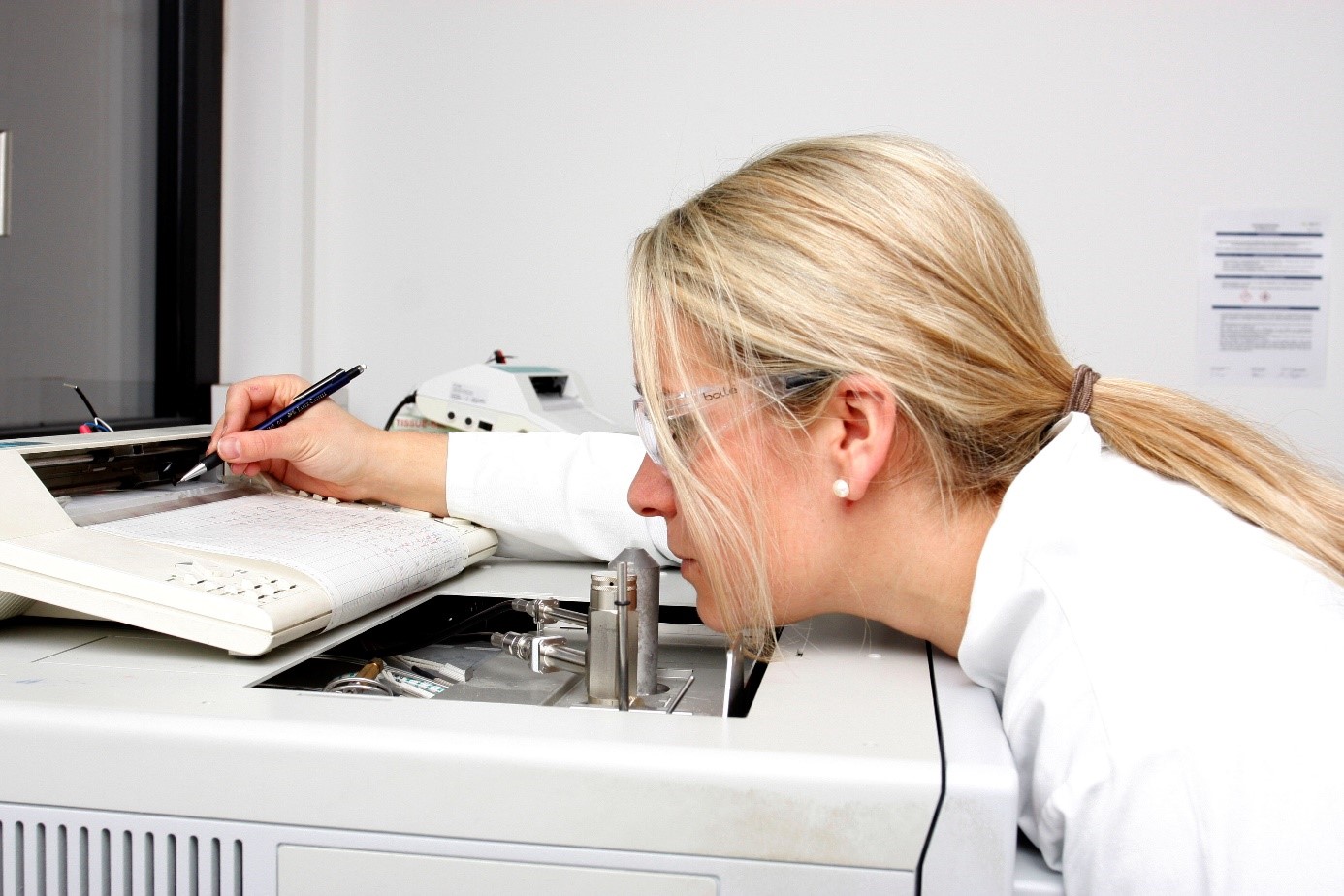
aromaLAB offers the full spectrum of advanced analytical and sensory methods, including the combination of sensory and instrumental techniques for highly specific and sensitive detection of aroma compounds. In addition to mass spectrometry for precise identification and quantification, gas chromatography-olfactometry is a primary method used in aroma research, a technique that combines the instrumental separation of volatile compounds with the human nose as an aroma-selective detector. Our scientific staff are equipped with solid sensory training and years of experience in aroma analysis and can solve even the most demanding inquiries in this field.
Whether it’s a new breed or the conformity check of a proven variety, a storage study, or a variety comparison, we support you with analytically gathered, scientifically sound data. Would you like to learn more about our work and the application possibilities of aroma research? Contact us directly or visit our website at www.aromalab.de/en. We look forward to hearing from you!